What if Education Could Feel Different?
Waldorf education is a thoughtful, whole child approach to learning that honors childhood while cultivating curiosity, creativity, and a genuine love of learning. Rather than rushing children from one worksheet to the next, Waldorf invites them to experience ideas through stories, art, movement, nature, meaningful work, and rich academic experiences.
Discover Waldorf education at home.
What is Waldorf Education?
An Education Built Around the Growing Child.
More than one hundred years ago, Waldorf education began with a simple yet profound idea: education should meet children where they are developmentally, not rush them toward the next milestone.
Instead of separating learning into disconnected subjects and endless assignments, Waldorf brings academics to life through storytelling, literature, art, movement, music, nature, practical work, and meaningful experiences.
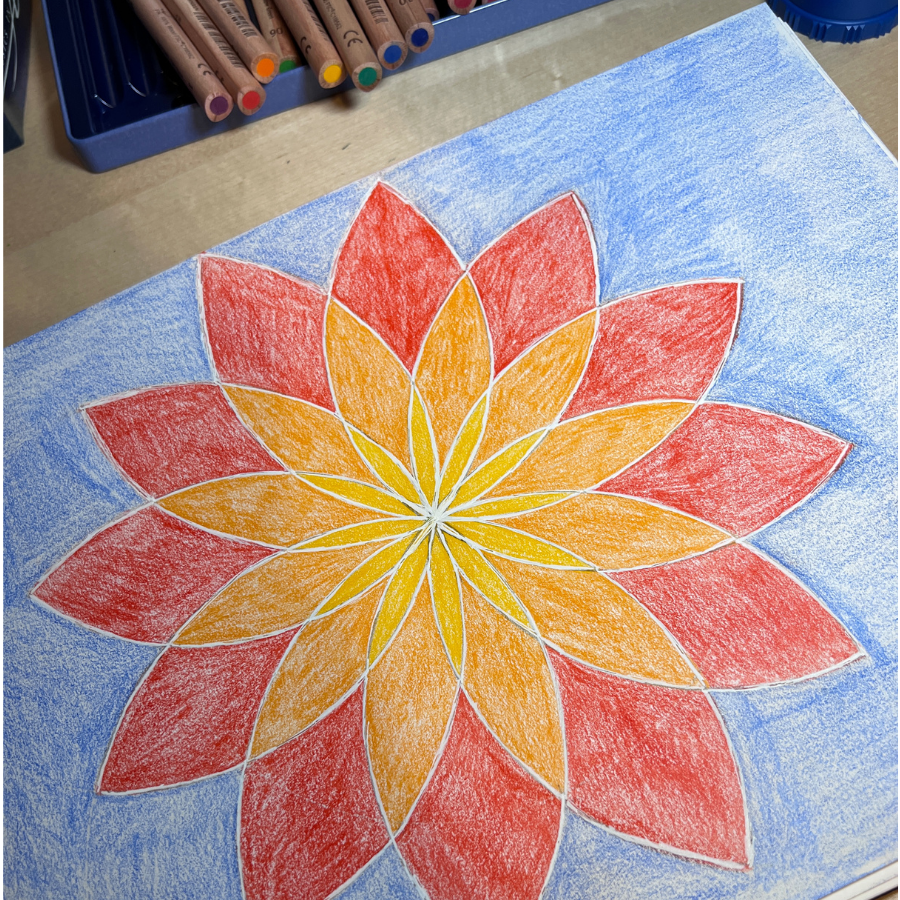
Waldorf Looks a Little Different.
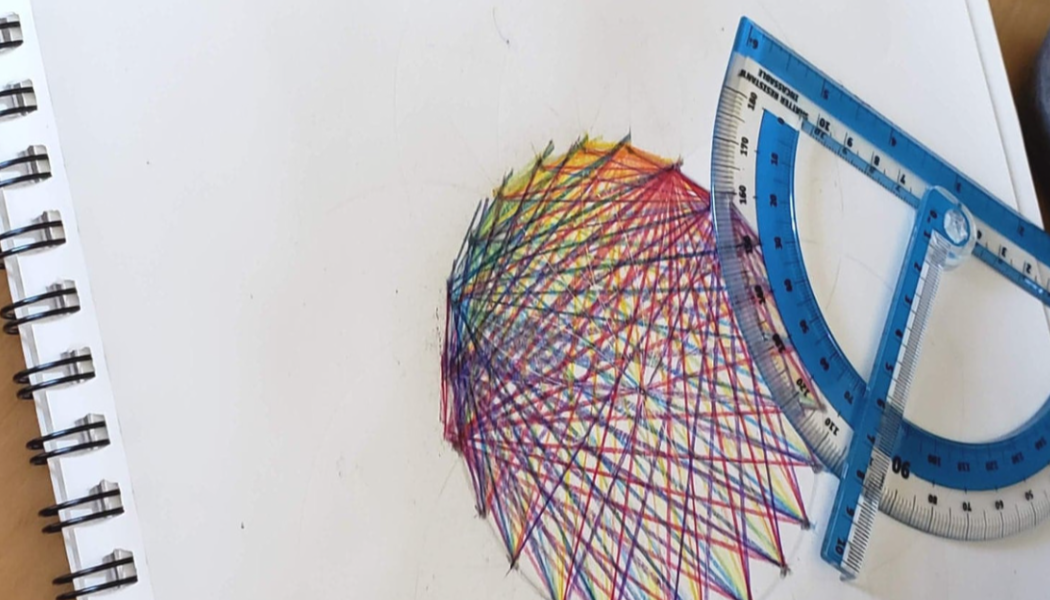
Lively Lessons
History, science, geography, and literature come alive through engaging stories, biographies, and rich language that invite children to imagine before they analyze.

Art Woven into Learning
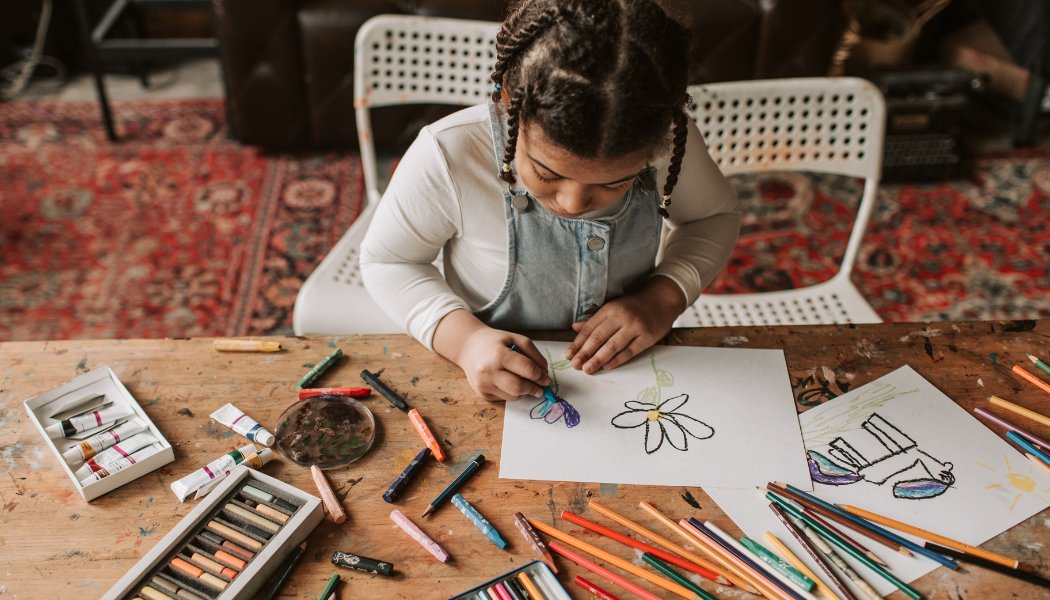
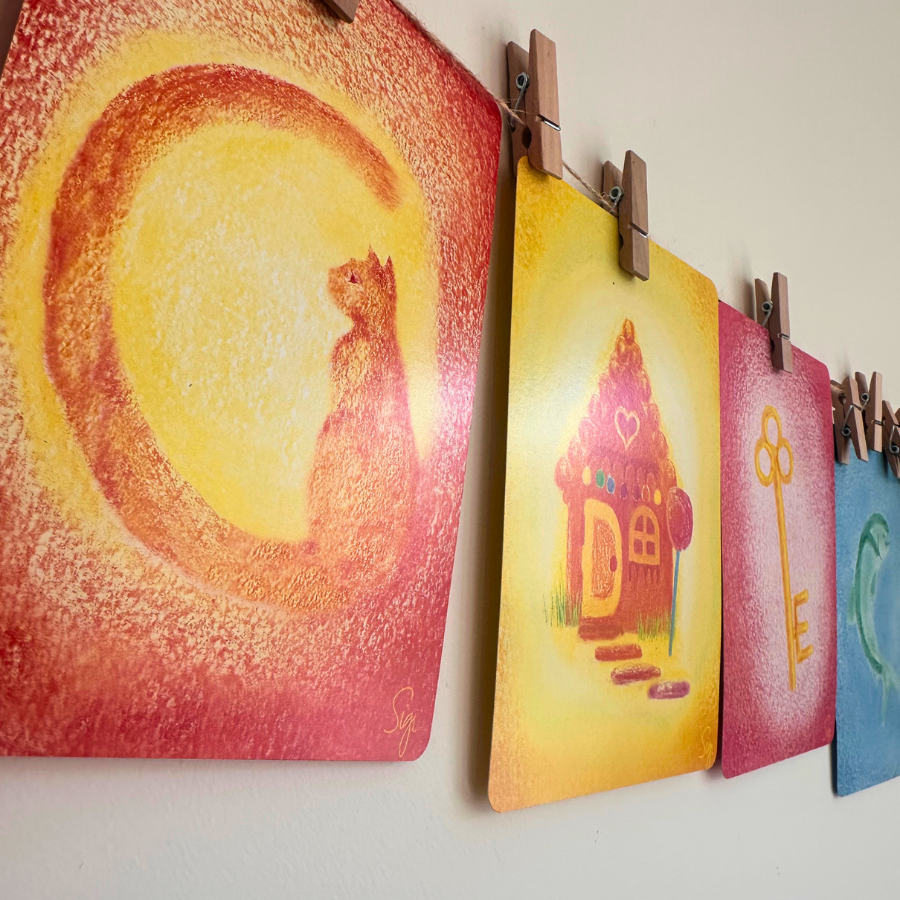
Painting, drawing, modeling, music, and creative expression are woven naturally into academic lessons, helping children engage more deeply with what they are learning.
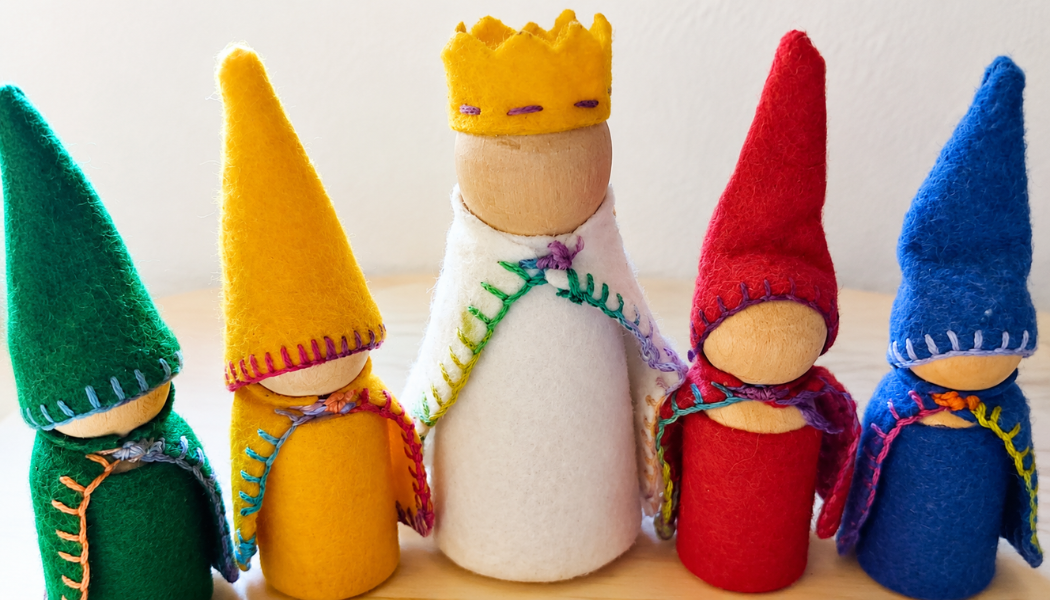
Learning in Meaningful Blocks
Rather than switching subjects every hour, children spend several weeks immersed in one topic, allowing ideas to develop, connect, and deepen into lasting understanding.

Movement & Hands-On Learning
Children practice handwork, cook, garden, create, observe, experiment, experience eurythmy, and discover meaningful learning far beyond the page.
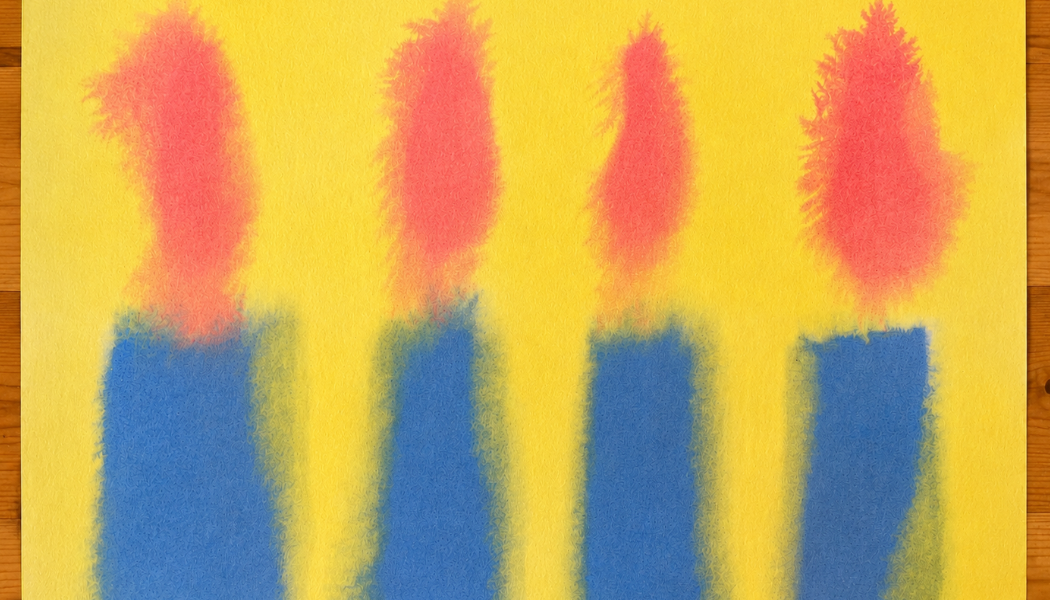
Nature & Seasonal Rhythms
Children connect with the natural world through time outdoors, observing the changing seasons, and experiencing the rhythms of nature throughout the year.
Whole-Child Education
Waldorf seeks to educate the head, heart, and hands. Supporting intellectual growth, emotional development, creativity, practical skills, and character together.
Want to See What Waldorf Can Look Like at Home?
Explore curriculum and resources created to help families bring Waldorf education into everyday homeschool life.
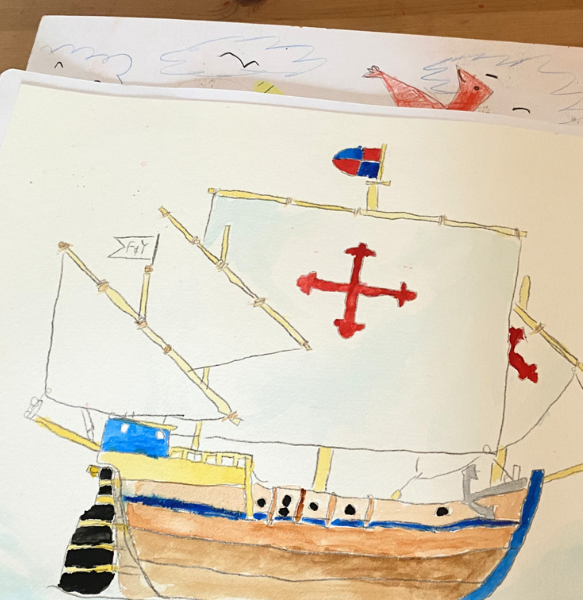
Children aren't simply asked to memorize information.
They experience it.
They wonder about it.
They work with it.
And through that process, they make it their own.
The goal isn't simply to fill children with knowledge, but to cultivate thoughtful, capable, creative human beings who enjoy learning and continue to grow long after lessons have ended.
What Are We Really Educating For?
Of course we want our children to read well, write clearly, think critically, solve problems, and understand history, science, and mathematics.
But most parents hope for something even more.
♥️ We want children who are curious.
♥️ Who notice beauty.
♥️ Who can think instead of simply repeat.
♥️ Who can work with their hands.
♥️ Who have ideas of their own.
♥️ Who aren't afraid to create.
♥️ Who develop perseverance.
♥️ Who remain connected to the natural world.
♥️ Who grow into capable, thoughtful human beings.
Waldorf education allows for all of this.
But Can You Really Do Waldorf at Home?
Absolutely, and home is a beautiful place for it!
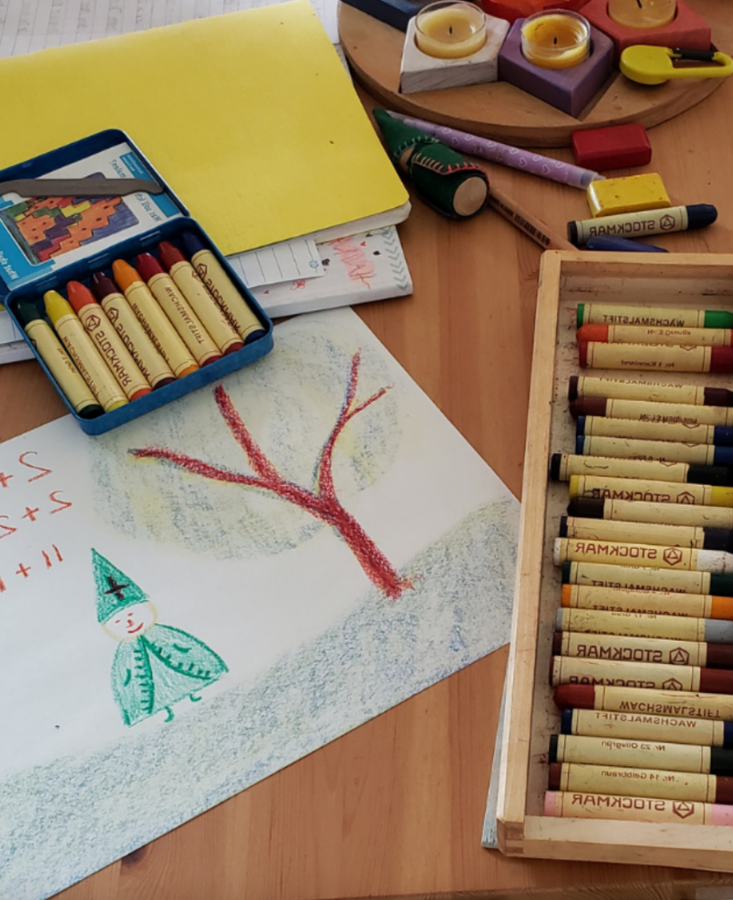
At home, Waldorf becomes part of the rhythm of family life: stories read together, beautiful main lesson work, walks outside, painting at the kitchen table, handwork on the couch, meaningful conversations.
The goal isn't to imitate a school.
It's to bring the heart of Waldorf education into your home.
What Might Our Homeschool Actually Look Like?
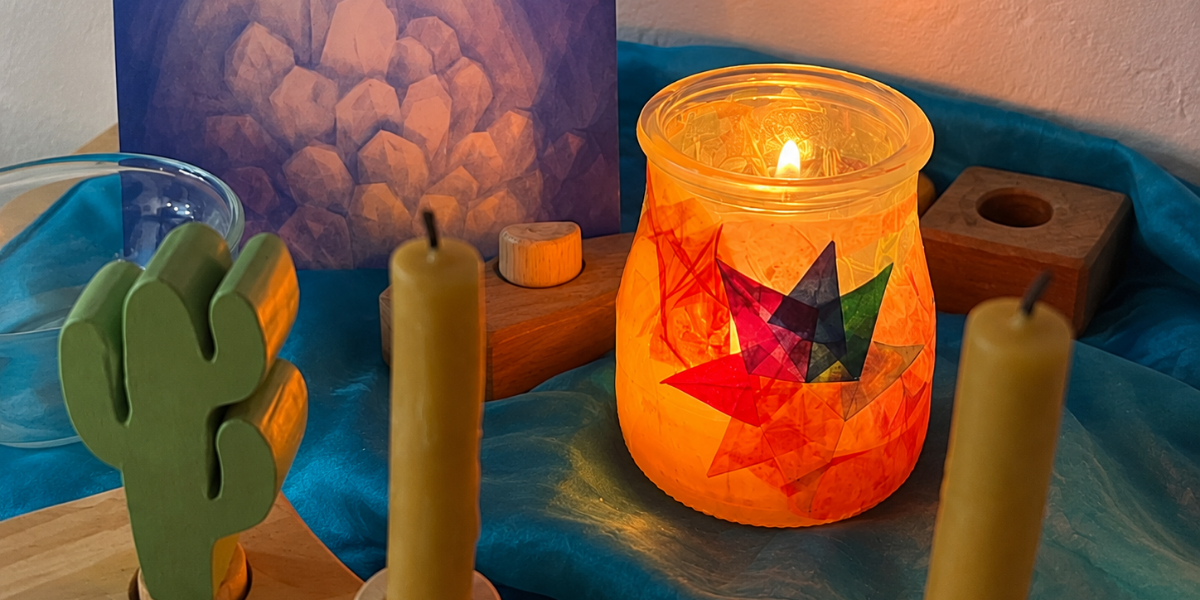
Start the day with a verse, song, poem or movement.
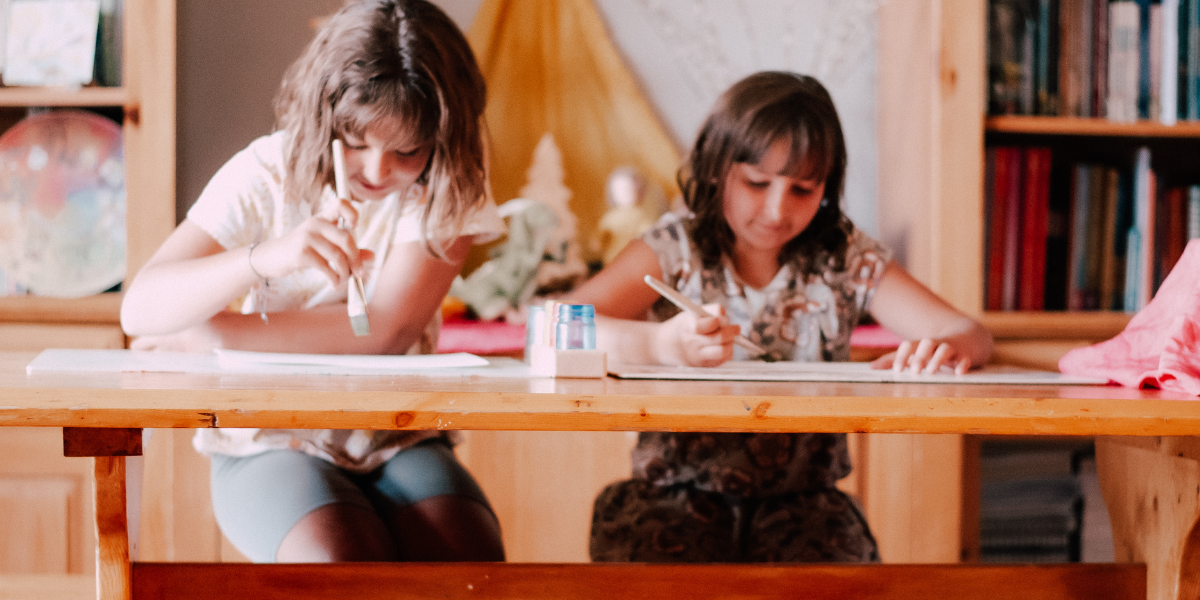
Then dive deeply into a focused main lesson through story, discussion, and observation.
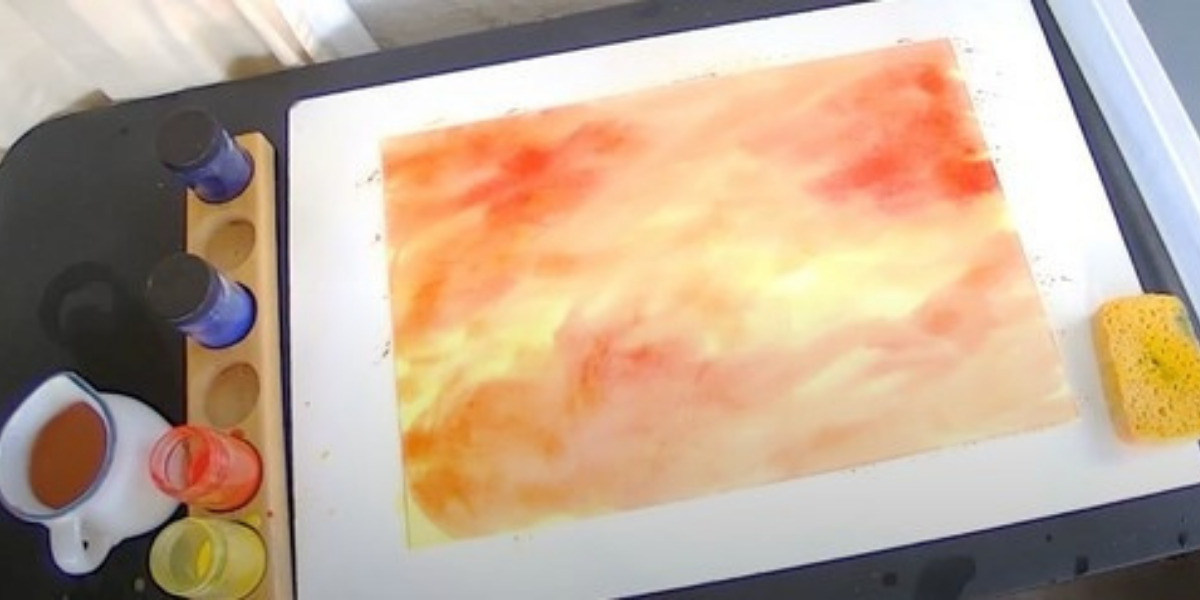
Bring learning to life through main lesson books, writing, drawing, painting, maps, diagrams, and other creative responses.

Continue learning through nature, eurythmy, music, cooking, gardening, reading, and time outdoors.
And Yes, the Academics Are There.
Waldorf offers rich history and literature, robust mathematics and sciences, and strong academic work. Introduced developmentally and brought to life through story, observation, experience, and rich context.
Why Families Are Drawn to Waldorf.
Because education can be about more than academics.
Families are drawn to Waldorf because it makes room for the things we don't want childhood to lose: curiosity, creativity, imagination, movement, meaningful work, connection, and wonder.
Children are encouraged to think deeply, work with their hands, create something of their own, and develop a genuine relationship with what they are learning.
It's an education of the whole child: head, heart, and hands.
You Don't Have to Figure This Out Alone.
Bringing Waldorf home can sound wonderful and also leave you wondering:
- Where do I start?
- What do I teach?
- How do I plan the lessons?
- What does this look like at home?
We’re Here to Help You Bring Waldorf Home
Waldorf Essentials provides the curriculum, guidance, and support to help you make it work in your own home.
✅ Developmentally age appropriate material
✅ Beautifully laid out lessons
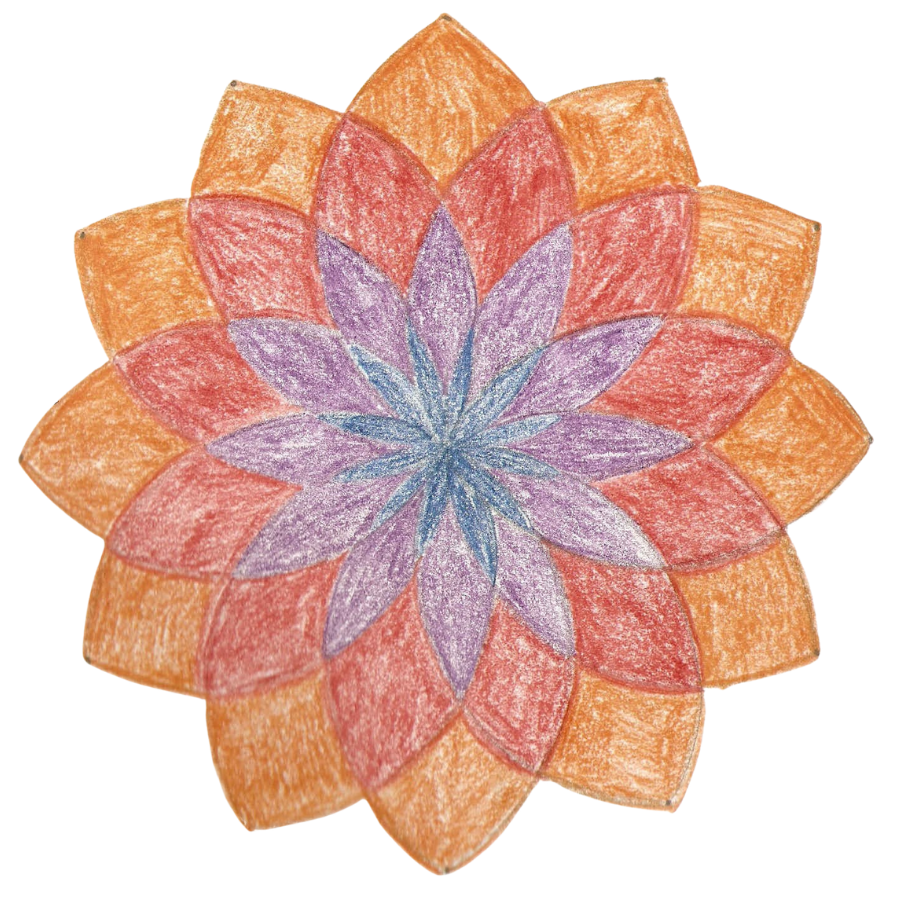
✅ Included online training in painting, drawing, modeling, and more
✅ Help with rhythm, planning, and encouragement
✅ A supportive community
Ready for Education to Feel Different?
Discover curriculum, guidance, training, and support designed to help you bring Waldorf education home.